Synthetic Turf Installation: Transform Your Lawn With Low-Maintenance Beauty
Synthetic turf installation offers a smart choice for homeowners who desire a beautiful yard without the burden of ongoing maintenance. This forward-thinking choice delivers a variety of perks, from water conservation to reduced pest problems. Learning the details of installation and upkeep can greatly enhance the value of a property. Yet, many people are curious about if this investment truly pays off in the long run. Reviewing the information can offer insight on this growing movement.
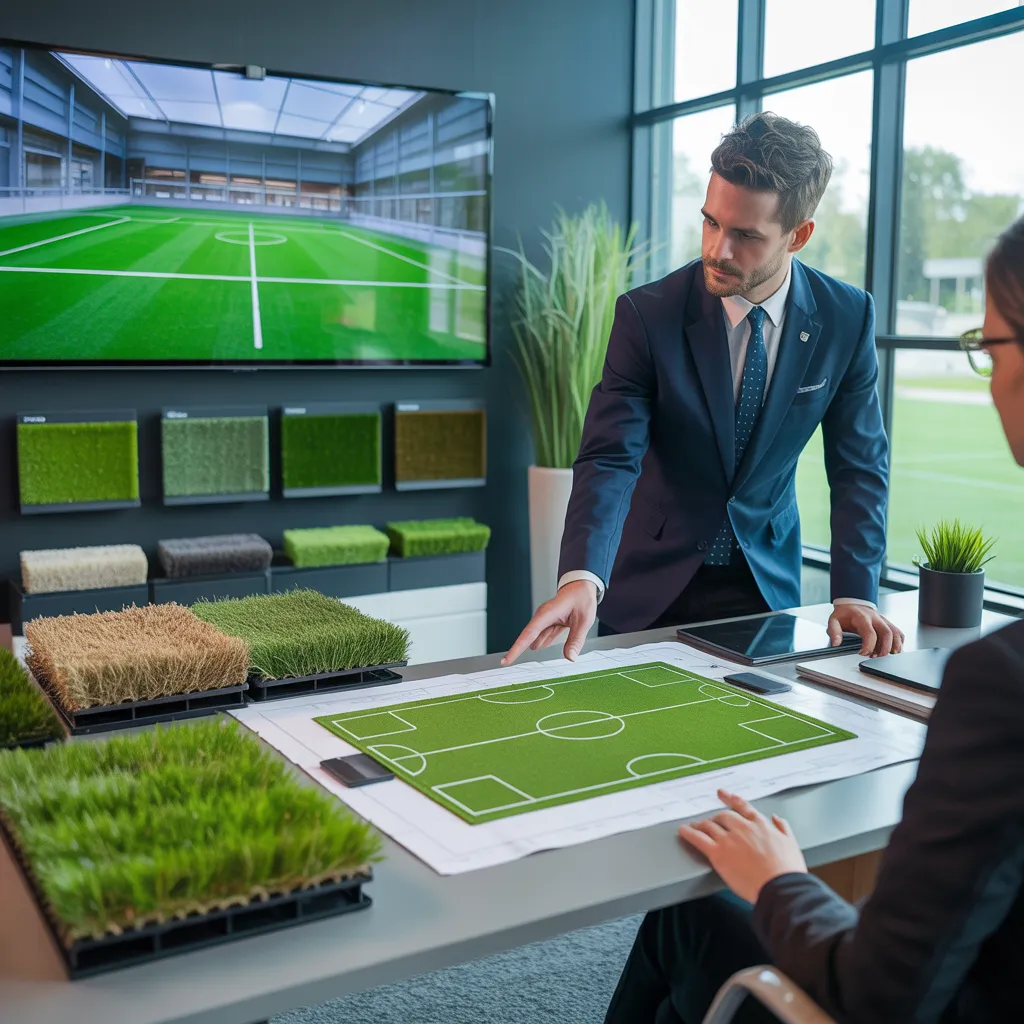
Done with Lawn Maintenance? Here's Why Artificial Grass Is the Solution
Why suffer through never-ending lawn care when synthetic turf provides a practical solution? Many homeowners find themselves overwhelmed by the demands of natural grass, which includes regular mowing, watering, and fertilizing. These responsibilities not only take up precious time but also lead to higher water bills and environmental issues. Artificial turf provides a remedy that does away with the need for these demanding chores.
Thanks to technological advancements, today's artificial turf closely resembles the appearance and feel of genuine grass, delivering an appealing outdoor space in every season. It endures diverse weather conditions without losing color or vitality, making it a reliable choice for any climate. Additionally, the addition of artificial grass can elevate the overall look of homes and businesses, providing a neat, polished appearance without the maintenance. As growing numbers of people look for low-maintenance alternatives, artificial turf proves to be an attractive solution for those looking to move beyond standard lawn care demands.
Top 5 Benefits of Choosing Artificial Turf
While many homeowners seek low-maintenance landscaping solutions, the merits of artificial turf go well beyond simple convenience. First, artificial grass maintains a lush appearance year-round, removing the seasonal discoloration typical of natural grass. Furthermore, it significantly cuts down on water usage, making it a green alternative, especially in regions susceptible to drought. Moreover, artificial turf is resilient against pests and weeds, reducing the reliance on damaging pesticides and herbicides. Beyond that, it offers durability, withstanding heavy use without the deterioration commonly associated with natural grass. Finally, the installation of artificial turf can enhance property value, offering a neat, appealing aesthetic that attracts prospective buyers. Together, these benefits position artificial turf as a practical and appealing alternative for homeowners seeking to enhance their outdoor areas.
Determine the Best Type of Artificial Grass
Choosing the right variety of artificial grass entails a number of key factors that can significantly impact its performance and appearance. Factors such as durability against weather conditions, pile height, and color are essential in reaching an informed decision. Each aspect supports the general functionality and aesthetic of the application, making sure it satisfies particular needs and preferences.
Grass Stack Height Factors
When picking artificial grass, one key element to consider is the pile height, which can greatly impact both appearance and performance. Pile height commonly falls between 1 inch to 2.5 inches, and the ideal selection depends on usage and visual preferences. Taller piles often create a full, lifelike aesthetic but may require more maintenance to stay in position. Conversely, shorter piles offer a more durable surface, well-suited to high-traffic areas such as play areas or sporting venues. Furthermore, environmental factors, such as regional climate and sunlight exposure, can impact the effectiveness of different pile heights. Ultimately, choosing the right pile height confirms that the artificial grass fulfills both decorative goals and everyday demands for any specific location.
Choose The Right Color
In what ways does the right color improve the general appeal of artificial grass? Selecting an appropriate color for artificial grass is essential in achieving a natural look and complementing the surrounding landscape. A variety of shades, from vibrant greens to muted earth tones, allows homeowners to tailor their choice based on personal preference and environmental factors. As an example, softer greens can produce a bright, summery atmosphere, while deeper shades may suggest a more established, verdant look. Moreover, the correct color choice can aid in controlling how sunlight is reflected, which can shape the overall mood of the outdoor environment. Ultimately, choosing the right color not only enhances the aesthetic appeal but also guarantees that the artificial grass integrates seamlessly into its environment.
Toughness And Weather Resistance
Durability and weather resistance are critical aspects to evaluate in choosing the right type of artificial grass, as they directly impact its durability and overall effectiveness. Premium artificial grass is engineered to endure a wide range of weather conditions, including intense sun, heavy rain, and freezing temperatures. In the process of selecting artificial lawn, materials such as polyethylene or polypropylene, valued for their toughness are worth considering. UV resistance is equally significant, as it prevents fading and degradation from sunlight exposure. Furthermore, a strong backing system improves durability and minimizes deterioration over time. Ultimately, investing in durable, weather-resistant artificial grass guarantees a beautiful, functional lawn that requires minimal maintenance while enduring the elements effectively.
How to Get Your Yard Ready for Artificial Grass Installation
Preparing a yard for synthetic turf installation requires multiple key steps. As a first step, it is necessary to eliminate any current vegetation to create a clean slate. Following that, smoothing out the ground ensures a flat and uniform base for the artificial lawn.
Eliminate Existing Vegetation
To guarantee a effective artificial grass installation, removing existing vegetation is an essential first step. This procedure involves clearing all grass, weeds, and other plants from the intended area. Effective removal guarantees that no organic matter interferes with the installation, avoiding future growth that could compromise the artificial grass. It is recommended to use tools such as a shovel, sod cutter, or garden fork to extract the vegetation effectively. After extraction, the area should be checked to confirm no remnants are left behind, as these can lead to drainage problems and irregular surfaces. Appropriate disposal of the cleared vegetation is equally important, providing a clean and organized site for the scheduled installation of artificial grass.
Even Out The Ground
After clearing the existing vegetation, the following step requires grading the ground to establish a solid base for the artificial grass. This process begins by inspecting the area for any depressions or irregular surfaces. Using a rake or shovel, the homeowner should move soil around to achieve a smooth, flat surface. It's essential to compact the soil to minimize future ground movement, which can result in inconsistent sections in the synthetic turf. A mechanical compactor can be utilized for this job. Additionally, a gentle grade should be established to ensure adequate water flow away from buildings. This precise leveling not only boosts the overall appearance but also prolongs the life of the artificial grass by preventing water accumulation and facilitating effective water drainage.
Step-by-Step Guide to Installing Artificial Grass
Setting up synthetic turf can change any outdoor area into a lush, green oasis with minimal maintenance. The initial step involves measuring the area to calculate how much turf is required. After that, the existing grass and debris must be eliminated, followed by grading the surface to secure effective drainage. A bottom layer of gravel or crushed granite should then be distributed and compressed to create a solid base.
Following this, a weed barrier fabric is laid down to block unwanted plant growth beneath the artificial turf. The artificial turf is then laid out, ensuring it suits the space without overlapping. Perimeter edges are secured with adhesive or landscape staples, and joints are sealed using adhesive and tape for a flawless finish. Finally, infill is applied to hold the grass blades in place, elevating the overall look and comfort. This systematic approach guarantees a professionally finished and attractive installation.
Maintenance Recommendations for Your New Synthetic Lawn
Artificial lawns require ongoing care to maintain their appearance and longevity. Routine brushing is necessary; a stiff-bristle broom can be used to lift the fibers and avoid matting. Organic debris including leaves and sticks should be disposed of without delay to prevent fading and mold development. When dealing with spills or stains, a gentle soap mixture may be used, before being washed with water to stop any residue from building up.
Occasional rinsing with a hose works to remove pet odors and dust, keeping it looking and smelling fresh. Under regular heavy use, infill material may require replenishment in order to sustain proper cushioning and support. Additionally, inspecting for any damage, like tears or separated seams, allows for timely repairs, maintaining the lawn's overall integrity.
Finally, keeping sharp objects and high-heat sources away can help avoid unnecessary damage. By following these maintenance tips, homeowners can enjoy a vibrant, low-maintenance lawn for years to come.
Is Artificial Grass Worth the Investment?
What factors help determine if artificial grass is truly a worthwhile investment? Assessing the cost-benefit ratio is a critical first step. Initially, artificial grass may appear expensive, with installation costs often exceeding natural grass. Yet, its lasting benefits have the potential to outweigh the upfront costs.
Synthetic turf demands very little care, removing costs associated with watering, mowing, and applying fertilizer. Such a reduction in care requirements can generate substantial long-term savings. Moreover, the resilience of synthetic grass allows it to endure for 15 years or more, providing value through longevity.
Ecological considerations are also a significant factor decreased water use is a persuasive element in areas frequently affected by drought.
Ultimately, the decision comes down to individual circumstances, including financial considerations, regional weather conditions, and lifestyle needs. Considering these elements can help homeowners assess whether artificial grass is a prudent investment for their particular situation.
Common Questions and Answers
Are Pets Able to Use Artificial Grass Safely?
Pets are able to safely use artificial grass, as it is toxin-free and commonly engineered to endure regular use. Proper drainage and regular cleaning guarantee hygiene, making it an ideal option for pet owners looking for easy-care alternatives.
How Long Does Artificial Grass Last?
Artificial grass typically lasts between 15 to 25 years, based on factors including the quality of materials, level of use, and environmental factors. Consistent upkeep can help prolong its durability, making it a lasting and visually pleasing solution for outdoor environments.
Is Artificial Grass Eco-Friendly?
Artificial grass is commonly viewed as less eco-friendly because of its fossil fuel-based composition and potential environmental impact associated with creation and waste management. However, it reduces water consumption and decreases reliance on chemical treatments, which can benefit certain ecological aspects.
Is Artificial Grass Recyclable?
Absolutely, synthetic turf is recyclable, however the procedure varies by maker. Numerous businesses provide recycling programs, permitting homeowners to bring back old turf for reuse, thereby minimizing waste in landfills presentation and encouraging environmental sustainability.
What Occurs During Severe Weather Conditions?
During harsh weather events, artificial grass may experience temperature variations, possible discoloration, or structural deformation. Heavy rainfall may result in water drainage problems, while extreme heat could make the turf surface to feel excessively warm for those using it.